Making the Case for Regenerative Grazing: the 2027 Midwest Grazing & Soil Health Summit
Registration and sponsorship applications open today!
With fall harvest quickly wrapping up, our attention as farmers and ranchers tends to turn to next year. I’ve already been deep into our farm scheduling and planning for 2027, taking the lessons we learned this year and making adjustments to set ourselves up for an even better season. As I reflect, I also realize what areas of our business and my personal farming skills need some tuning up or maybe even a complete overhaul. This winter, I’ll be attending conferences, workshops, and doing whatever it takes to continuously improve my own skillset and be more ready for next year.
As I have been planning the 2027 Midwest Grazing & Soil Health Summit, I reflect on what questions we’ve heard over the last year, the themes that keep emerging, the issues I’ve seen multiple times on farms this year, and what the overall headlines in the ag industry are right now.
Many of you know that beef has been in the headlines lately, and many opinions are making their rounds on social media. Not only have our farmers and ranchers gotten the short end of the stick in the trade war, too often, all of agriculture gets painted with the same brush when concerns are raised about the environmental impacts of livestock production.
But not all farming systems are the same. Many of us are working hard to build healthier soils, improve water quality, restore grasslands, and manage livestock in ways that regenerate the land. (All things that SFA has been promoting for 35+ years!) Well-managed regenerative grazing can be part of the solution to many of the environmental challenges associated with conventional production systems.
Yet, too often, those of us doing things differently find ourselves lumped in with the very practices we’re working to improve. We’re still waiting for our day in court, so to speak, for a fair hearing based on evidence, outcomes, and the realities of what’s happening on the ground.
That’s why I’m thrilled to welcome Nicolette Hahn Niman to this year’s Summit. A former environmental lawyer, author, and livestock rancher, she is known for advocating for sustainable, pasture-based livestock production and challenging the idea that properly managed grazing animals are inherently harmful to the environment. Once a vegetarian for more than 30 years, she now defends the production and consumption of ethically raised protein as not only essential for human health, but also our climate resilience.
She is best known for her books
Defending Beef and
Righteous Porkchop, which examine the environmental and animal-welfare impacts of industrial livestock production and make the case for more sustainable farming practices. Hahn Niman lives in Northern California, where she and her husband Bill Niman (founder of
Niman Ranch and now BN Ranch) where she advocates for pasture-based, regenerative production models like the ones that you and I operate.

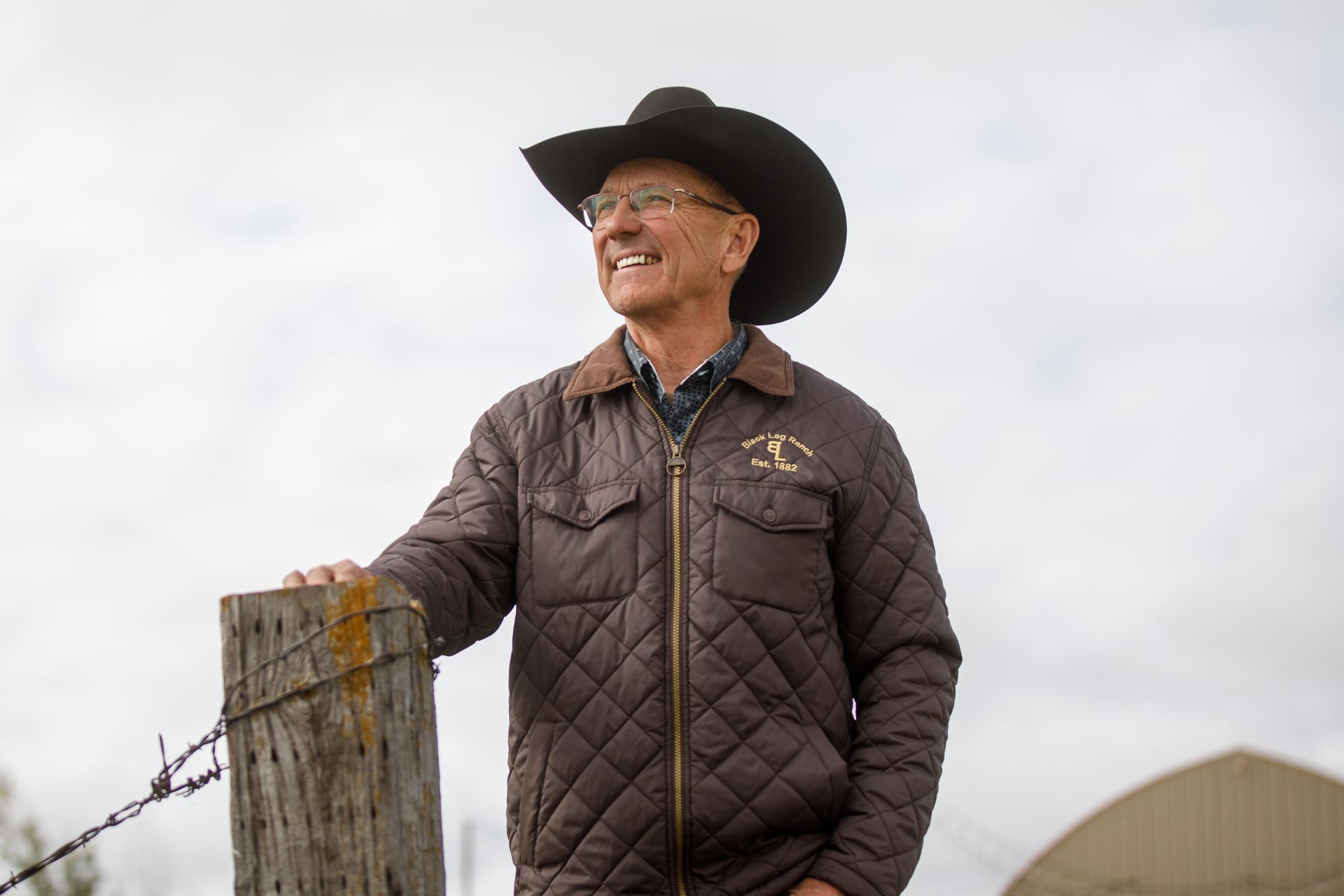
Joining us from a little bit closer to home over in North Dakota, Jerry Doan is a fourth-generation rancher who operates Black Leg Ranch with his family, using regenerative grazing, no-till farming, and soil health practices. The Doan family have won many awards and honors for their work, including the Burleigh County Soil Health Award, the inaugural Aldo Leopold Conservation Award, the North Dakota Environmental Stewardship Award, the Region Seven Environmental Stewardship Award, the National Environmental Stewardship Award, and most recently, the Noble Land Stewardship Award in October 2026.
Black Leg Ranch operates multiple complementary stacked enterprises including custom grazing, grass-finished beef and buffalo (produced under the Audubon Conservation Ranching Bird Friendly Program), a brewery, agritourism and events, and a hunting outfitting business. Their goals for the ranch include a multi-generational transition, bringing profitability back to agriculture, and improving quality of life for everyone involved.
As in the past, we’ll have over a dozen breakout sessions that you won’t want to miss, with topics such as starting a goat grazing business, learning from grazing specialists how to plan your grazing, wide row corn for cover crop success, farrow-to-finish pastured hogs, marketing, using prescribed fire for grassland management, and many more yet to be announced! The SFA team also has some exciting new ideas up its sleeve for expanding the 2027 Summit programming! They’re so fresh off the drawing board that we can’t spill the beans just yet, but stay tuned. We’ll have more to share soon!
I hope you’ll join me in Willmar this March for some much-needed learning, fresh ideas, and a little fine-tuning before the 2027 season gets underway. Investing in yourself is one of the best investments you can make in your farm, and you won’t want to miss this opportunity to head into the new season ready to grow!
Summit registration is open!
Early Bird Members (through Thursday, Dec. 17): $150
SFA Member (begins Friday, Dec. 18): $175
Nonmembers: $200
Single Day Registration: $125
Members, please log in first to see member pricing.
Sponsor Opportunities
Your sponsorship of the Summit will support farmers as they build sustainability and profitability into their operations. Don't miss this opportunity to connect and learn with sustainably-minded farmers, graziers, and agriculture professionals! Find more information on our Summit webpage.